Concrete contractor in Boston, MA - driveways, steps and slabs built from the base up
Ironset Boston Concrete Construction is a concrete contractor based in Boston. We build and replace driveways, patios, steps, walks, slabs and foundations across the city, and most of our calls come from homeowners, small landlords and property managers.
- Licensed and fully insured.
- Free estimates at your property.
- We respond within 1 business day.
Concrete work on Boston's older lots
Most of the concrete we see in Boston belongs to older houses on tight lots. Front steps drop straight to the sidewalk, narrow driveways run between buildings, and a small back patio is often the only flat ground a family has. Many of our calls come from multi-family buildings, where the steps and walks take daily wear in all weather. We see much the same mix next door in Cambridge and Brookline, and we work there the same way.
Price here moves mostly with what's under the old concrete and how hard the spot is to reach. The schedule turns on the weather, any permit the job needs and curing, which is the slow hardening that has to happen before the slab can take weight. I write your estimate after seeing the site, because the ground under an old Boston slab varies from lot to lot, and how much of it has to come out usually isn't clear until the old concrete is up.
What we build in Boston
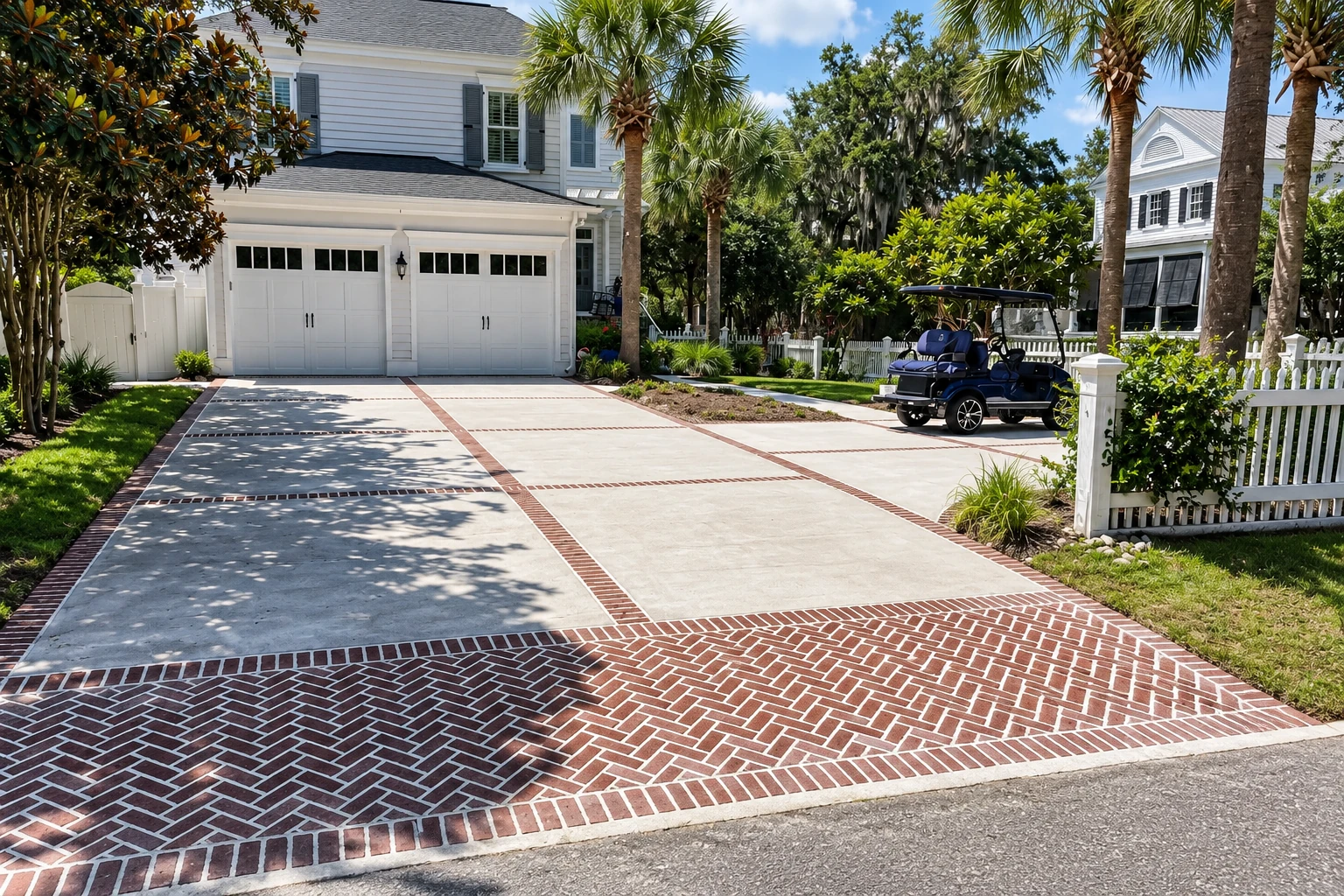
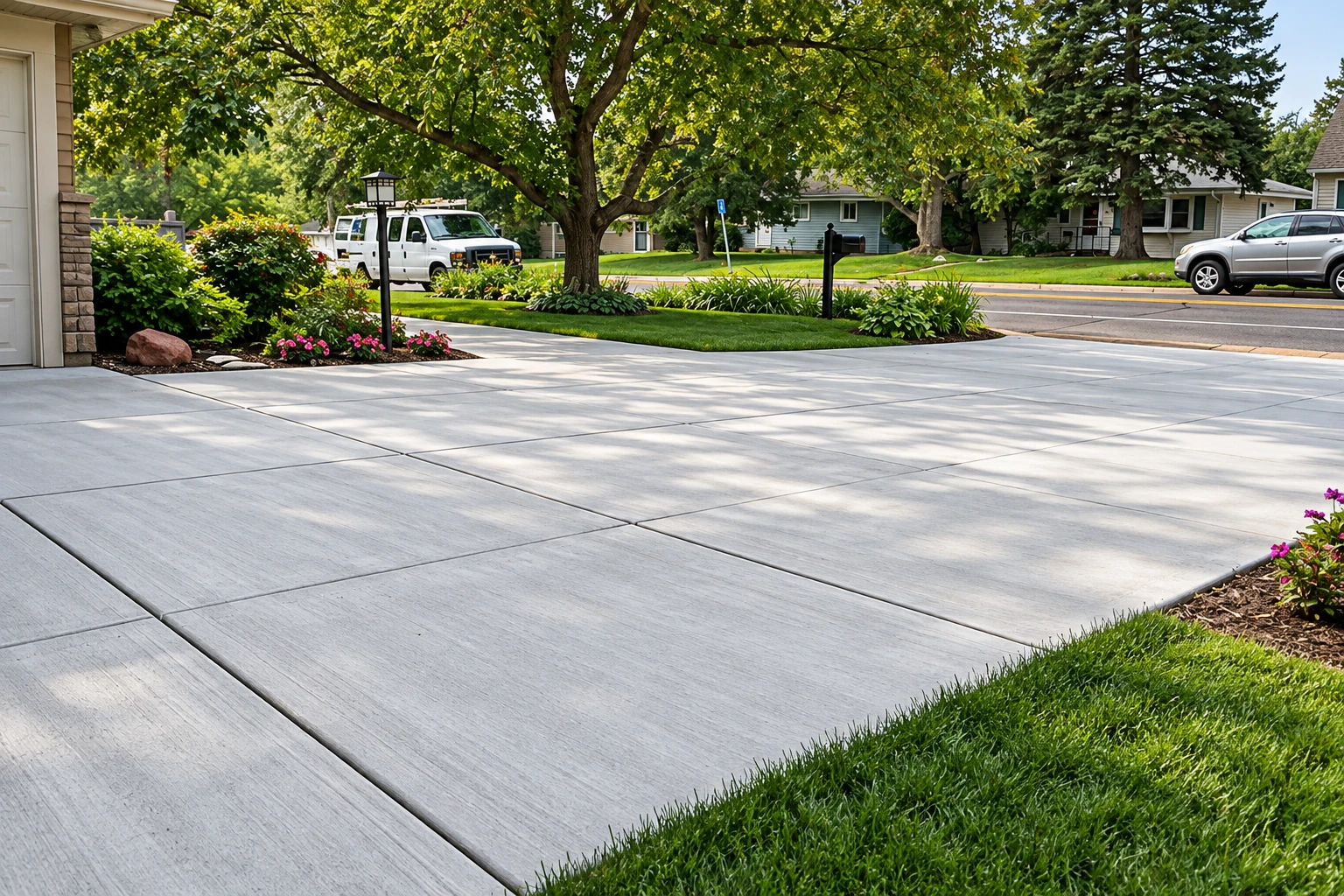
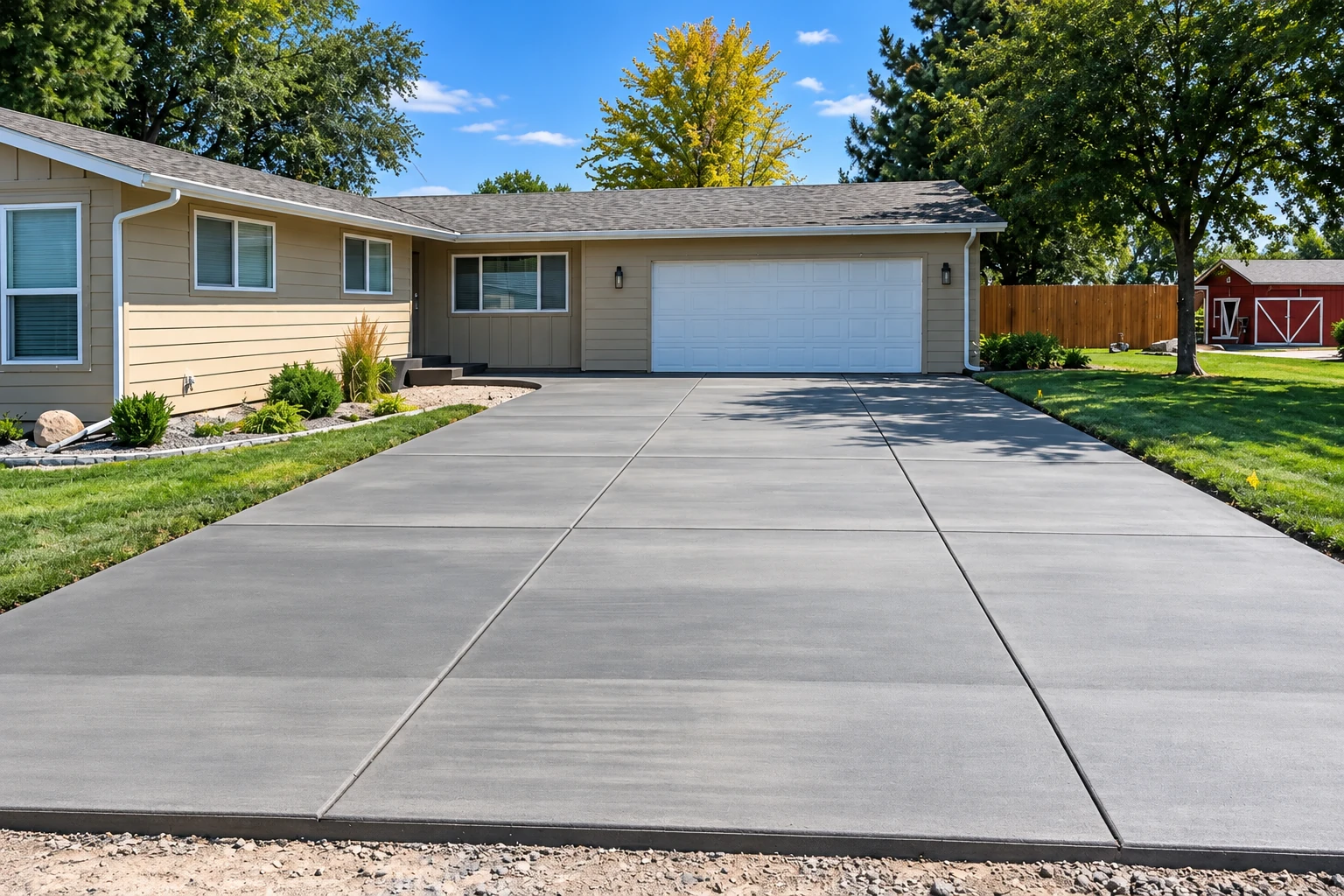
Concrete driveway building
Boston driveways are often narrow and tucked between houses, so we dig out the old base and pack new stone before concrete goes in.
Explore Concrete driveway buildingConcrete patio construction
On a small city backyard the patio is usually the main flat space, and we slope it so rain runs away from the house.
Explore Concrete patio constructionStamped concrete services
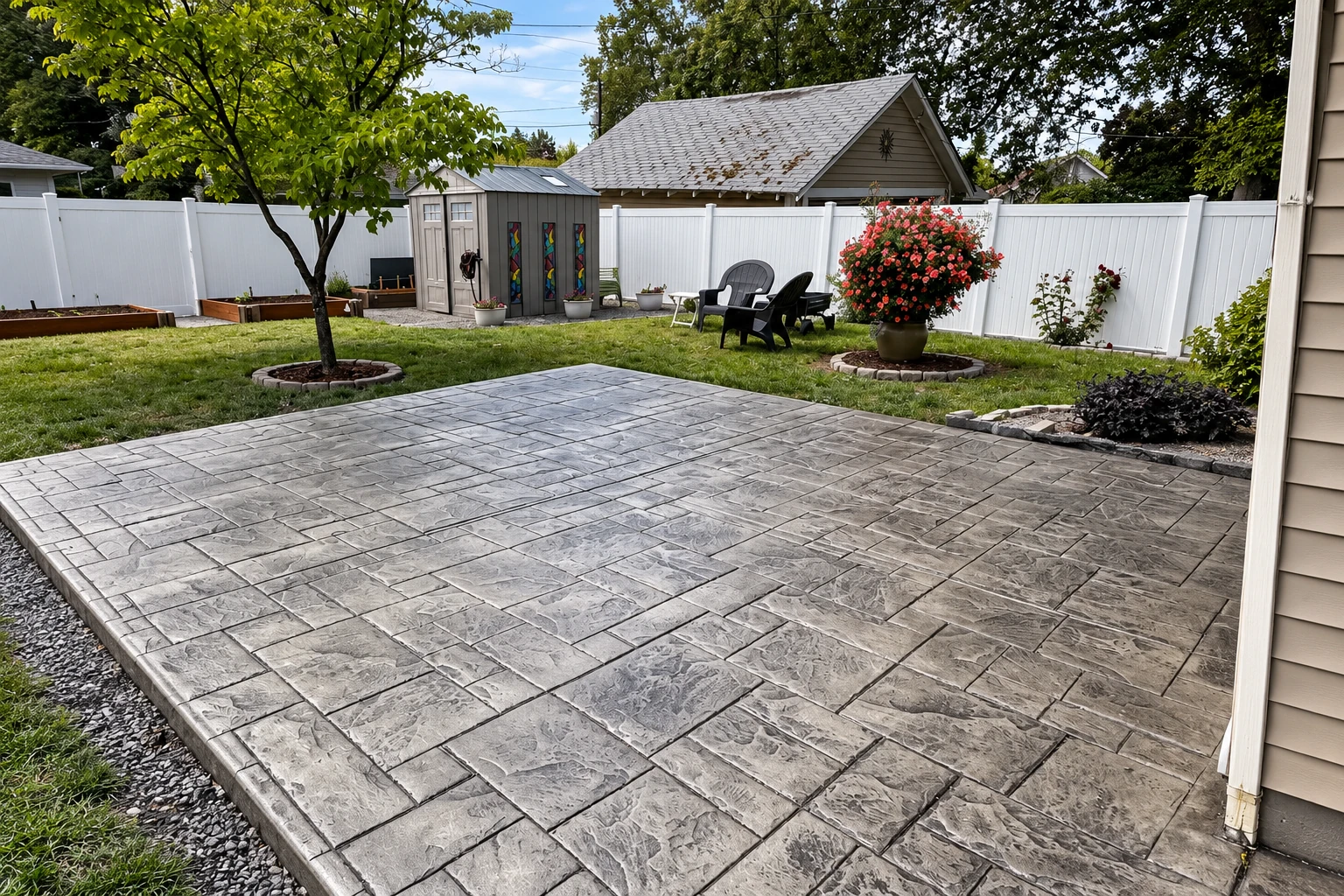
Stamped concrete gives a walk or patio a brick or stone look that suits older houses, and it goes over the same packed base.
Explore Stamped concrete servicesConcrete sidewalk building
Walks on multi-family lots take heavy daily traffic and plenty of shoveling, so we cut control joints, grooves that steer cracking to planned lines.
Explore Concrete sidewalk buildingGarage floor concrete
Garage floors here are often thin and broken, so we dig to solid ground and pour a slab that drains toward the door.
Explore Garage floor concreteDecorative concrete
Color, borders and exposed stone let new concrete sit comfortably beside old brick and granite, which matters on a street of older houses.
Explore Decorative concreteConcrete retaining walls
Plenty of lots here step up from the street. A wall holding water behind it tends to lean, so we drain ours from behind.
Explore Concrete retaining wallsConcrete floor installation
Basement floors in older buildings often crack or crumble, and we replace them with a level slab poured over a freshly packed base.
Explore Concrete floor installationConcrete pool decks
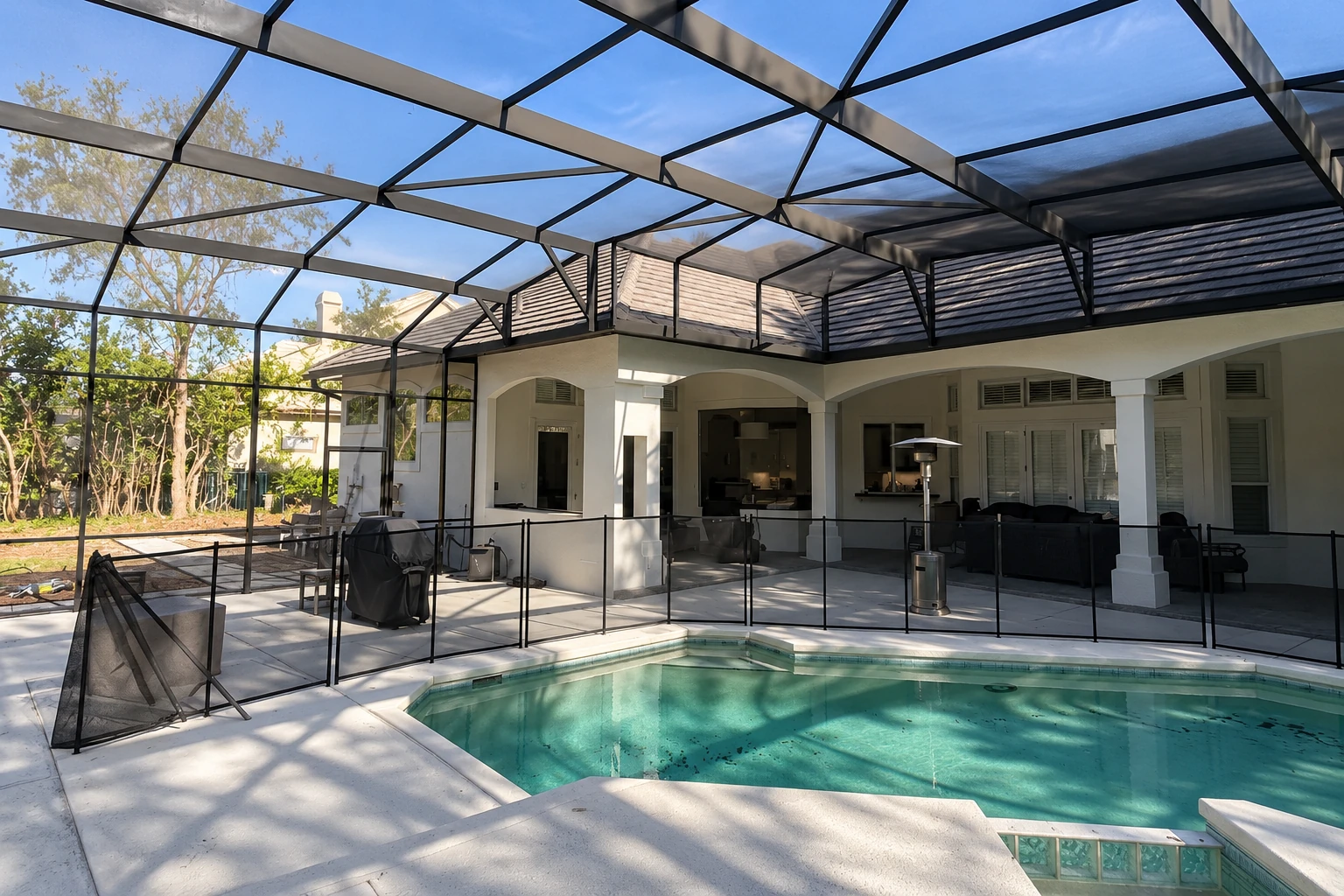
Pool decks are rare on city lots. Ours get a broom finish, a brushed texture that gives wet feet some grip.
Explore Concrete pool decksConcrete steps construction
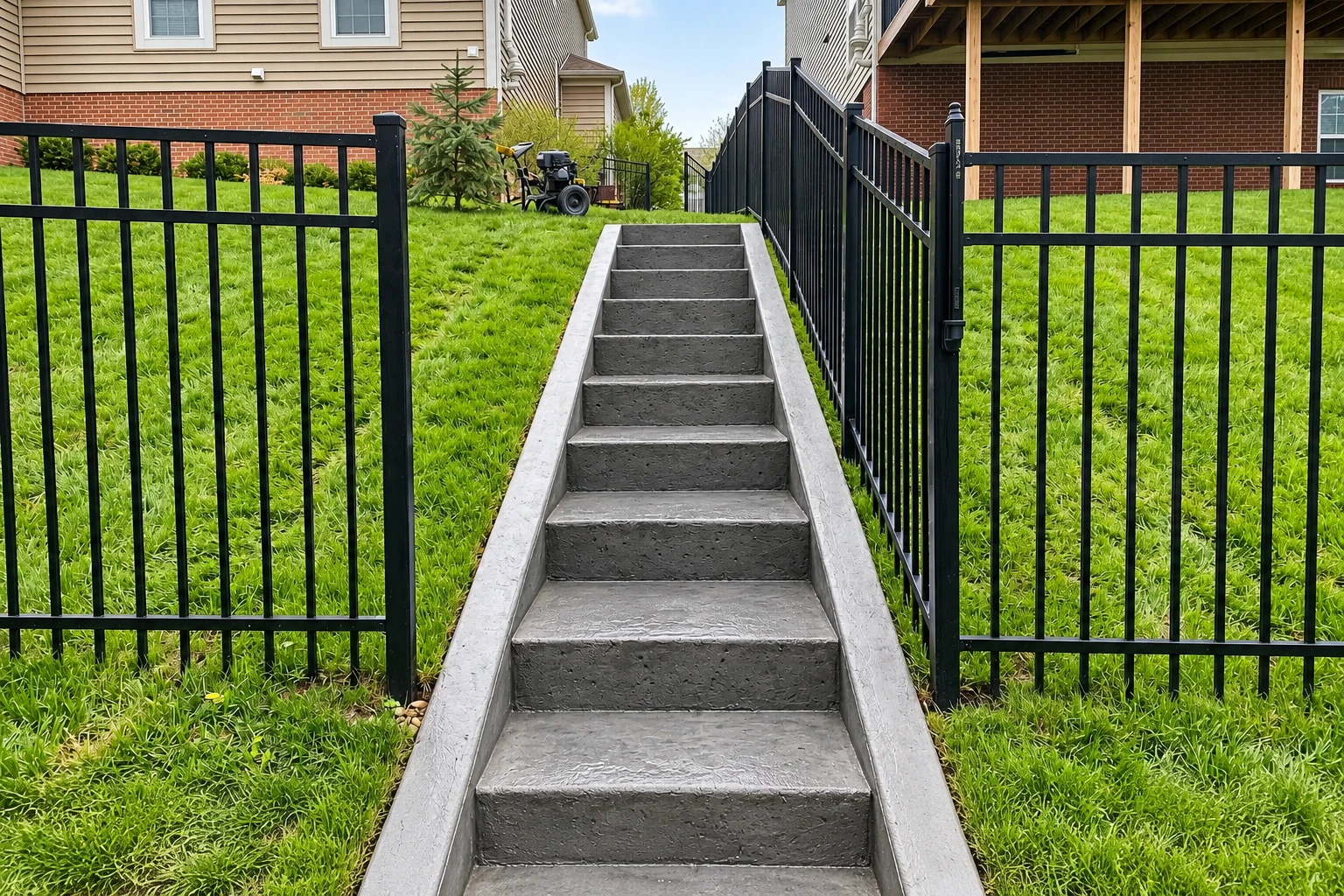
Front steps on Boston houses take snow, salt and shovels every winter, and we rebuild them with steel inside and solid footings underneath.
Explore Concrete steps constructionSlab foundation building
For additions, garages and sheds on tight lots, we pour slab foundations on a dug-out, packed subgrade, which is the ground the slab rests on.
Explore Slab foundation buildingFoundation installation
New foundations here often go in close to neighboring houses, so we plan the dig and the forms around what's next door before anything starts.
Explore Foundation installationConcrete parking lot building
Small landlords and property managers call us for lots behind multi-family buildings, where drainage and plow traffic decide how long the surface lasts.
Explore Concrete parking lot buildingConcrete footings
Porches, decks and additions on older houses need footings that reach solid ground, and we dig until we find it rather than guess.
Explore Concrete footingsFoundation raising
When a slab or foundation has sunk, we find out why before raising it, because lifting it without fixing the cause only buys time.
Explore Foundation raisingConcrete cutting
On tight city sites, cutting a clean opening in an old slab or wall often beats tearing the whole thing out.
Explore Concrete cutting
What Boston's winters and old lots demand
I started this business in 2023 after years of patching the same steps and slabs on Boston rental buildings, so we put our effort where those failed. That means the base, the drainage and the prep. I'd rather explain a tricky problem plainly than hand you a quick number.
The base gets the money first
If a budget has to give, I'd trim the finish before the base, because the dug-out, packed stone underneath decides whether the slab settles, and nobody can fix it once concrete covers it.
The person who quotes it pours it
I come out to look at the job and write your estimate myself. Then I work alongside our crew on the forming, pouring and finishing, so what we talked about is what gets built.
Water planned before the pour
We check where rain and snowmelt run before setting forms, so the slab falls away from your house. We also time pours to miss the midday heat that leaves a dusty top.
Get a free estimate for your Boston concrete job
Tell us your address, what you want built or replaced, and what's gone wrong with the old concrete. We reply within one business day, and I come out to write a free estimate with no obligation.
Boston concrete questions we hear
Do I need a permit for concrete work in Boston?
Some concrete jobs in Boston do, and the city's Inspectional Services Department is the office that issues them. Work that changes a building's structure or use needs a Long-Form permit, and smaller repairs or replacements that leave both alone may need a Short-Form permit. A job within 100 feet of a park or parkway, or in a historic district, may also need other city approvals. Work can't start until the permit is issued, or the city can charge double the permit cost, so when your job needs one we help line it up first and check with the city if it isn't clear.
Can I pull my own permit for a concrete job in Boston?
You can if you own and live in a one- or two-family home and you're doing the work yourself. If you own a unit in a building with three or more homes, such as one floor of a three-decker, the city requires you to hire a licensed contractor. Homeowners applying on their own go through the Inspectional Services Portal, which the city's permitting site links to.
Does a concrete contractor in Massachusetts need to be registered?
Yes. For work on an existing, owner-occupied home with one to four units, Massachusetts requires Home Improvement Contractor registration from anyone who bids on or does the work, subcontractors included. A Construction Supervisor License is a separate credential, not a substitute, and certain construction projects need a licensed supervisor overseeing them. We're licensed and fully insured.
What does a new concrete driveway cost in Boston?
There's no single Boston price, because a driveway's cost comes down to its size, how much old concrete comes out, how much base we rebuild and how easy the site is to reach. On tight lots, access alone changes a lot, since a truck that can't reach the forms means moving concrete by pump or by hand. A stamped or decorative finish costs more than a plain broom finish, and you'll get your own figure in writing after I've seen the site.
What causes concrete driveways and steps in Boston to crack and sink?
Usually it's what's underneath, either a base that was raked level instead of dug out and packed, or water with nowhere to go softening the ground. Boston winters freeze and thaw that water again and again, which finds every weak spot, and a slab whose control joints were cut late or skipped cracks wherever it likes. No slab is crack-proof, but the base, the drainage and the timing of the joints decide whether it holds up, so that's where I spend most of my time.
How long does a new concrete driveway in Boston take before I can drive on it?
You can walk on it well before you can drive on it, because concrete keeps hardening after the pour, and the cure has to get far enough along to carry a car's weight. Cold weather slows curing, so a late-fall pour here can mean a longer wait than a summer one. I'll give you the dates for your own pour when we schedule it, so you know how long the driveway is out of use.
Working somewhere outside Boston?
Pick your city below if it's listed. If it isn't, call us at (617) 226-2081 and ask, because these aren't the only cities we work in.